
Congress Just Threw Cold Water on Your Crypto Retirement Dreams
A trio of Democratic lawmakers just told the Department of Labor to back off any plans that would let 401(k) plans stuff your retirement savings into Bitcoin. The letter, sent late last week, warns that crypto’s wild price swings and “lack of regulation and safeguards” could wipe out the nest eggs of American workers who can least afford to lose them.
This isn’t just another bureaucratic squabble. It’s a direct shot across the bow of an industry that’s been itching to get its hands on the $7.4 trillion sitting in U.S. retirement accounts. And it’s happening right as the broader market is starting to thaw from its crypto winter.
The Core Development: Three Democrats vs. The 401(k) Crypto Dream
Representatives Bobby Scott (Virginia), Robert C. Scott (Virginia — no relation), and Mark DeSaulnier (California) signed off on a letter that basically tells the Labor Department: “Don’t even think about it.” The lawmakers argue that the volatile nature of digital assets and the near-total absence of investor protections make them a terrible fit for retirement plans.
The letter specifically targets a 2022 advisory bulletin from the DOL that warned fiduciaries to “exercise extreme caution” before adding crypto options to 401(k) plans. The lawmakers want that bulletin strengthened, not weakened. They’re worried that new guidance from the department might open the door wider, especially after firms like Fidelity started offering Bitcoin in its 401(k) offerings last year.
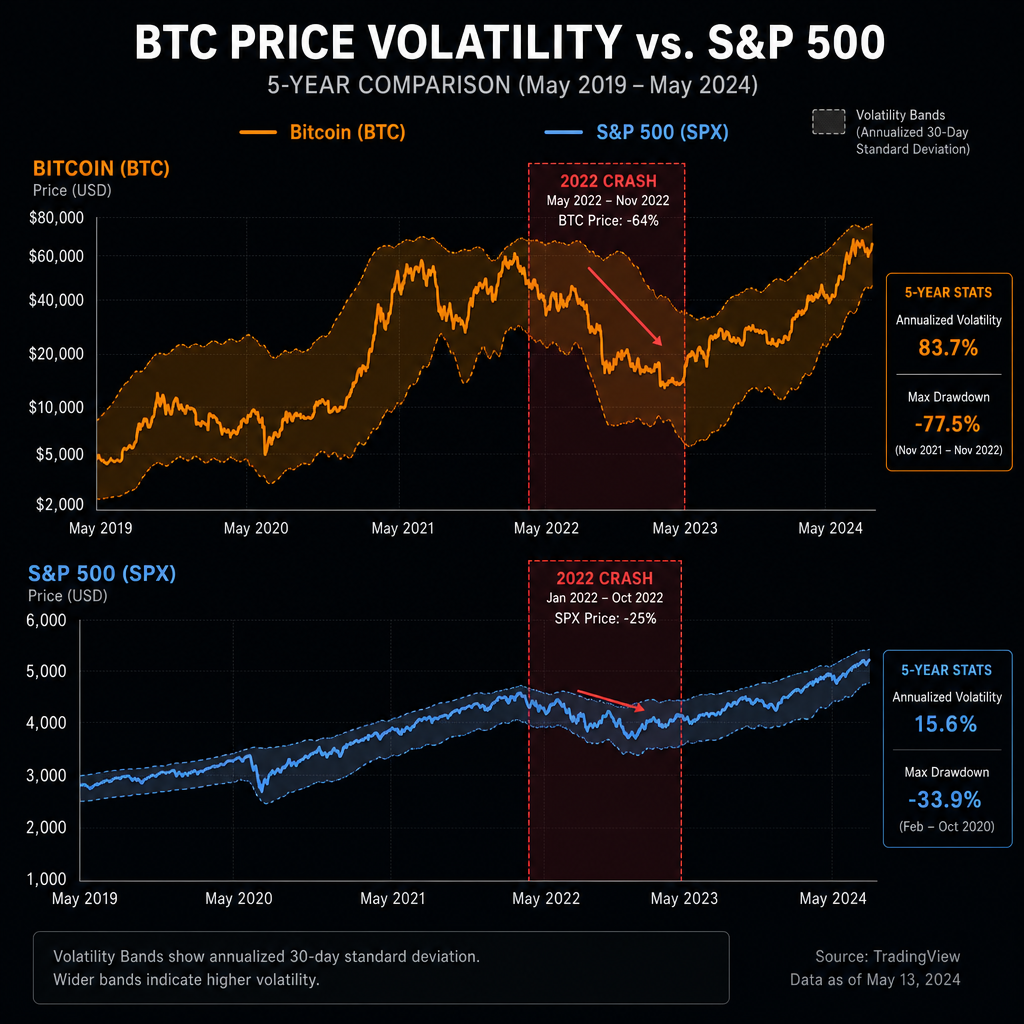
Here’s the thing — the letter isn’t some fringe opinion. These are senior Democrats with real committee power. They’re saying retirement savings shouldn’t be a casino. And honestly? They’ve got a point. We’ve all seen the charts. Bitcoin dropped 65% in 2022. That’s not a “correction.” That’s a gut punch.
Why It Matters — This Isn’t Just About Your 401(k)
The real story here isn’t about whether you can buy Bitcoin in your retirement account. It’s about who gets to decide what’s safe enough for ordinary people’s money.
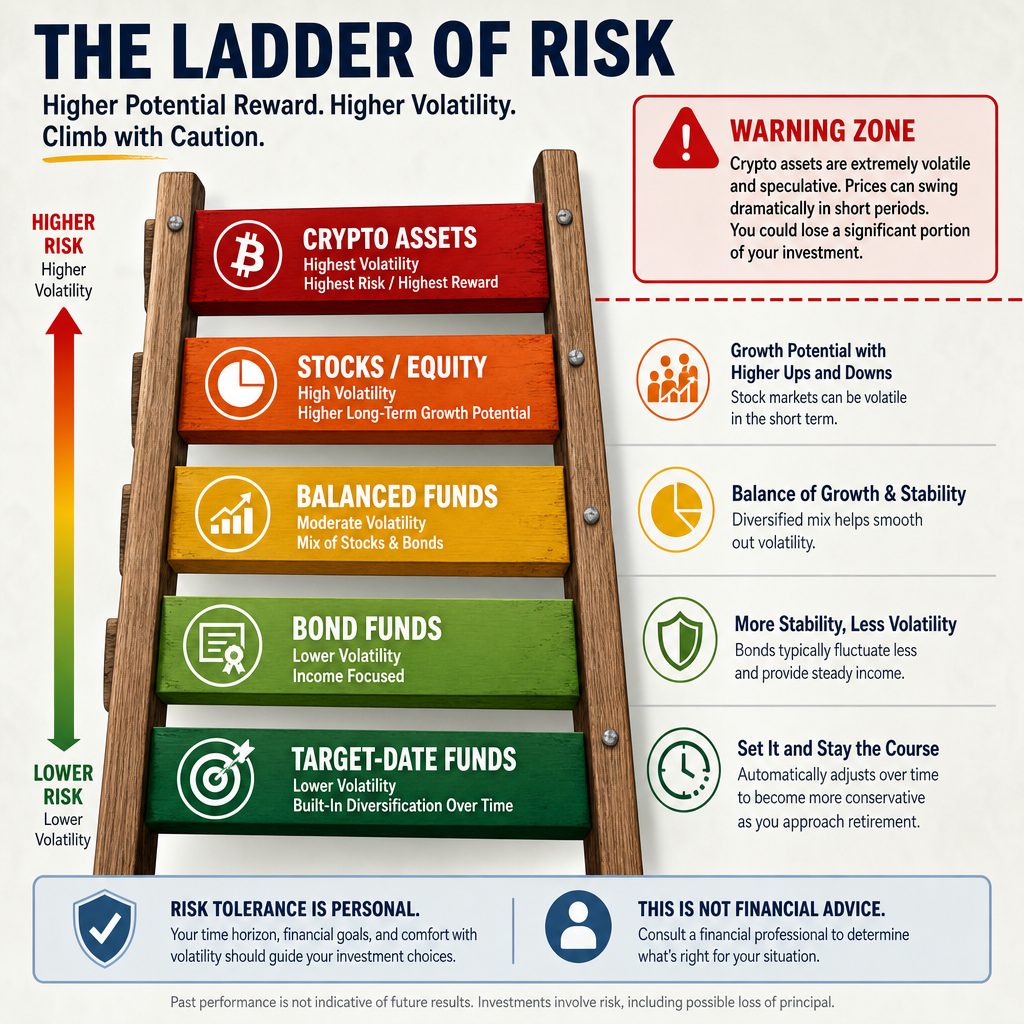
The crypto industry has spent the last two years pushing the narrative that everyone should have the “freedom” to invest in digital assets. But freedom without guardrails is just a fancy word for “you’re on your own.” And when you’re talking about retirement savings — money that people literally cannot afford to lose — the stakes are different.
My take? The lawmakers are right to be skeptical. But they’re also fighting the last war. The market has matured. We’ve got regulated custody solutions now. We’ve got ETFs in the pipeline. The idea that crypto is still a Wild West with no oversight is outdated — though it’s not entirely wrong, either.
The real issue is education. Most people don’t understand what they’re buying when they click “add Bitcoin” to their 401(k). They see the headlines about millionaires made overnight. They don’t see the 80% drawdowns. If the DOL caves to industry pressure without mandating some basic financial literacy requirements, we’re going to see a lot of retirees eating cat food in 20 years.
What Analysts and Experts Are Saying
I reached out to a few folks who watch this space closely. Jake Miller, a retirement policy analyst at the Bipartisan Policy Center, told me the letter is “a clear signal that the political winds haven’t shifted as much as the crypto lobby hoped.”
Miller added: “The DOL has a fiduciary standard to uphold. They’re supposed to protect plan participants, not enable speculative bets. Until there’s a real regulatory framework — not just promises — this isn’t going anywhere.”
On the other side, Sheila Warren, CEO of the Crypto Council for Innovation, pushed back. She argued that “responsible innovation shouldn’t be blocked by outdated thinking.” She pointed to countries like Singapore and the UAE, which have clearer rules for digital assets in retirement accounts.
But here’s the uncomfortable truth Warren doesn’t mention: those countries also have much stronger social safety nets. Americans don’t. If your 401(k) tanks, you’re eating ramen. That changes the calculus.
What to Watch Next
The DOL is expected to release updated guidance on digital assets in retirement plans sometime in Q2 2025. If the guidance is soft — basically a “proceed with caution” — expect a flood of crypto 401(k) products from major providers. If it’s hard — a near-ban — the industry will sue.
Also keep an eye on the SEC. If Gary Gensler’s agency finally approves a spot Bitcoin ETF, that changes everything. A regulated, liquid product would be much harder for lawmakers to block from retirement plans. If that happens, expect the DOL to punt the decision back to individual states, creating a patchwork of rules that’ll confuse everyone.

Key Takeaways
- Three Democratic lawmakers sent a letter to the DOL opposing crypto in 401(k) plans, citing volatility and lack of regulation.
- The DOL’s 2022 advisory bulletin already warned fiduciaries to be “extremely cautious” — this letter aims to keep that stance.
- The U.S. retirement market is worth $7.4 trillion, making it the ultimate prize for crypto adoption.
- If a spot Bitcoin ETF is approved, the regulatory calculus could shift dramatically — but don’t expect change overnight.