
Wall Street 3.0: The Dawn of Tokenized Equity and Financial Democratization
Wall Street, long a bastion of traditional finance, is undergoing a seismic shift. A new era, dubbed “Wall Street 3.0,” is emerging, fueled by blockchain technology and promising to revolutionize how we invest, trade, and interact with the financial markets. This transformation, as highlighted in recent reports, signifies a move away from legacy systems and the gatekeepers who have historically controlled access to capital.
Tokenized Equity: The Catalyst for Change
The core of Wall Street 3.0 lies in the concept of tokenized equity. Instead of relying on cumbersome and often opaque traditional methods, companies are increasingly exploring the use of blockchain to represent ownership stakes as digital tokens. This offers several key advantages:
-
Increased Liquidity: Tokens can be traded on decentralized exchanges (DEXs) with far greater speed and efficiency than traditional stock exchanges. This could significantly reduce transaction costs and processing times. Imagine fractional ownership of blue-chip companies traded 24/7 globally.
-
Enhanced Transparency: Blockchain’s immutable ledger ensures a transparent record of ownership, eliminating the need for intermediaries and reducing the risk of fraud. This boosts trust and allows for greater accountability.
-
Global Accessibility: Tokenization opens up investment opportunities to a global audience, breaking down geographical barriers and fostering financial inclusion. Investors in emerging markets, previously excluded from many traditional investment vehicles, can participate in the global markets.
Fractional Ownership and Democratization
The ability to tokenize fractional shares of equity is a game-changer. Previously, accessing high-value investments required significant capital, effectively locking out many potential investors. Now, smaller investors can participate in markets traditionally dominated by institutional players. This democratization of finance is a pivotal aspect of the Wall Street 3.0 narrative. Research suggests that this could lead to increased participation in the stock market, driving greater economic activity.
Real-Time Trading and Enhanced Efficiency
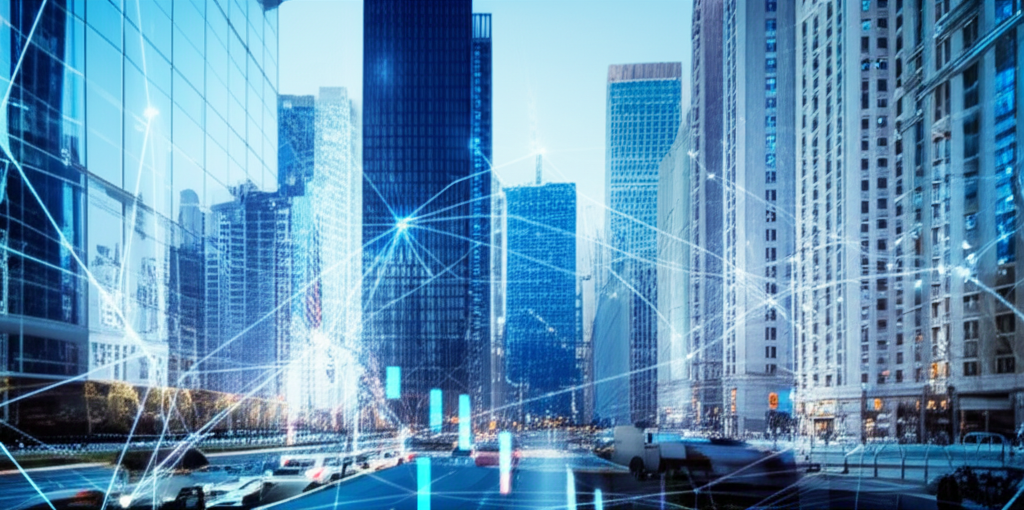
Wall Street 3.0 also promises to streamline trading processes. Real-time transactions, facilitated by blockchain technology, eliminate delays and improve overall efficiency. This can be particularly impactful for high-frequency trading and other time-sensitive operations. Reports indicate a potential decrease in transaction costs by as much as 50%, translating into significant savings for both investors and companies.
Challenges and Opportunities
While the potential benefits are substantial, the transition to Wall Street 3.0 also presents challenges. Regulatory hurdles, technological complexities, and concerns about security all need to be addressed. However, the ongoing innovation and increasing adoption of blockchain technology suggest that these hurdles are likely to be overcome.
Summary:
- Wall Street 3.0 is transforming financial markets through tokenized equity.
- Blockchain technology enhances liquidity, transparency, and global accessibility.
- Fractional ownership democratizes investment opportunities.
- Real-time trading boosts efficiency and reduces transaction costs.
- Regulatory and technological challenges remain, but the potential benefits are significant.