



UAE Denies TON Golden Visa Partnership: The Toncoin Staking Program Debacle
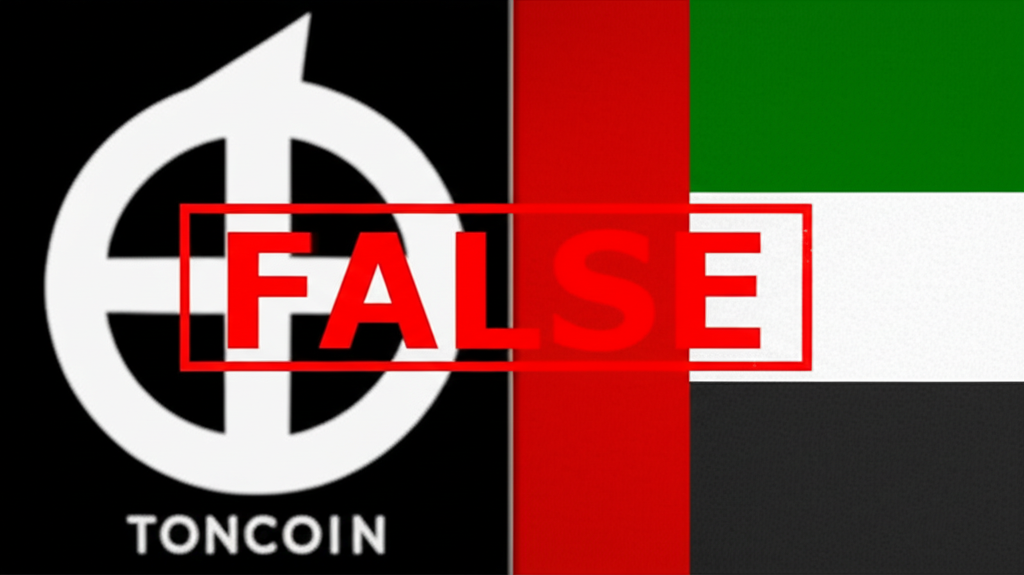
The cryptocurrency world buzzed with excitement last week following reports that the Telegram Open Network (TON) was offering UAE golden visas as an incentive for its staking program. However, the United Arab Emirates (UAE) has swiftly denied any such partnership, throwing cold water on the ambitious initiative. This incident highlights the complexities of navigating the regulatory landscape in the rapidly evolving crypto space and serves as a cautionary tale for projects promising outlandish rewards.
The Initial Claim and Subsequent Denial
TON, the blockchain network behind the TONCOIN cryptocurrency, initially announced a staking program that reportedly offered participants a chance to obtain a coveted UAE golden visa. This highly sought-after residency permit provides numerous benefits, including tax advantages and easier access to business opportunities within the UAE – a nation increasingly positioning itself as a crypto-friendly hub. The announcement generated significant interest, attracting potential investors drawn to the combination of staking rewards and the allure of a UAE golden visa.
However, the UAE’s official news agency quickly refuted the claim. The denial, disseminated through various reputable media outlets, explicitly stated that no such partnership exists between the UAE government and TON. This swift and decisive response underscores the UAE’s commitment to responsible regulation within the crypto sector, avoiding potentially misleading marketing tactics.
The Implications for TON and the Crypto Industry
The incident has raised questions about the accuracy of TON’s initial announcement and its potential impact on investor confidence. The discrepancy between the project’s claims and the UAE government’s denial could damage TON’s reputation and create uncertainty among potential investors. This underscores the critical importance of transparency and accuracy in marketing within the cryptocurrency industry. False or misleading information can lead to serious consequences, including regulatory scrutiny and a loss of investor trust.
Furthermore, the incident serves as a reminder of the constantly shifting regulatory landscape surrounding cryptocurrencies. While the UAE has shown a progressive stance toward blockchain technology and digital assets, it is not immune to the challenges posed by ensuring regulatory compliance and preventing fraudulent activities.
Key Takeaways:
- TON’s claim of a UAE golden visa incentive for its staking program was quickly denied by the UAE government.
- The denial highlights the importance of accurate and transparent communication in the crypto industry.
- The incident underscores the complexities of navigating the regulatory landscape for crypto projects.
- The UAE’s swift response emphasizes its commitment to responsible crypto regulation.
- The incident may negatively impact TON’s reputation and investor confidence.
Looking Ahead
The episode emphasizes the need for thorough due diligence before engaging in any cryptocurrency investment, especially those involving potentially exaggerated claims. Further investigation into TON’s staking program and its marketing strategies is warranted to ensure full transparency and accountability. This case serves as a crucial example for both investors and projects operating within the crypto space.