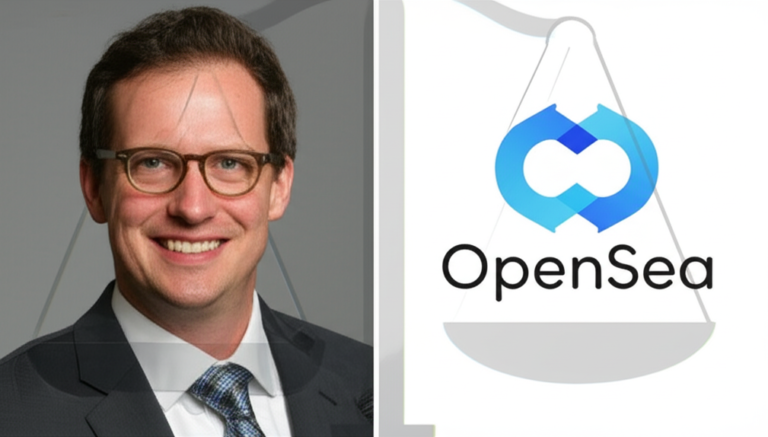




Trump’s Nominee for Silicon Valley Court: A Crypto Connection Raises Eyebrows
The appointment of Eric Tung to a prominent appellate court overseeing Silicon Valley has sparked debate within the cryptocurrency community and beyond. President Trump’s choice, while seemingly qualified on paper, carries a significant “crypto baggage” that many believe warrants closer scrutiny. The implications for the future of blockchain technology and related legal cases in the region are significant.
Tung’s Crypto Legal History: A Deeper Dive
The article in question highlights Tung’s representation of various blockchain companies in court. While the exact nature and extent of his involvement in crypto-related cases remain unspecified in the initial report, his association with the industry raises questions about potential conflicts of interest and bias in future rulings. The lack of explicit detail necessitates further research into Tung’s legal portfolio. Online searches reveal sparse public information beyond the original article, suggesting a need for greater transparency. This lack of transparency itself becomes a significant point of discussion; a judge’s financial ties and history should be readily available for public review.
Potential Conflicts of Interest: A Growing Concern
Given the rapid growth and complex legal landscape of the cryptocurrency industry, the potential for conflicts of interest is a legitimate concern. A judge with a documented history of representing crypto entities could face challenges in remaining impartial in cases involving similar businesses. This isn’t to imply inherent bias, but rather a need for a demonstrably transparent approach to handling cases where even the appearance of a conflict could undermine public confidence. This is crucial, especially considering the potentially vast financial implications of court rulings within the volatile crypto market.
A quick online search reveals various news articles and blog posts discussing legal challenges faced by blockchain companies, ranging from regulatory disputes to intellectual property battles. We could expect to see cases involving ICOs, security token offerings (STOs), and smart contract disputes come before the court Tung will preside over. His previous representation in these areas raises questions about his ability to remain impartial.
The Implications for the Future of Crypto in Silicon Valley

Silicon Valley, being a global hub for technological innovation, is at the forefront of cryptocurrency development. The legal precedents set by judges in this area significantly impact the trajectory of the industry. With Tung’s appointment, the crypto community is rightly concerned about the impact of potential biases, whether conscious or unconscious, on future legal cases. Transparency and meticulous disclosure of any potential conflicts are vital for maintaining public trust and ensuring fair and just outcomes.
The lack of readily available information about the specifics of Tung’s past crypto work underscores the larger challenge facing the public in accessing key details about judicial nominees. This issue extends beyond crypto and highlights the importance of thorough vetting processes that prioritize transparency.
A Call for Transparency and Accountability
This situation underscores the crucial need for greater transparency in judicial appointments. The public deserves comprehensive information about a nominee’s professional background and potential conflicts of interest. The crypto community, in particular, should advocate for increased scrutiny in these processes to ensure fairness and prevent the perception – or reality – of biased rulings.
Bullet-Point Summary:
- President Trump’s nomination of Eric Tung to a Silicon Valley appellate court has raised concerns.
- Tung’s past representation of blockchain companies raises questions about potential conflicts of interest.
- The lack of readily available information about his past crypto-related legal work warrants deeper investigation.
- The crypto community is concerned about the potential impact on future legal cases in the rapidly developing crypto industry.
- Greater transparency is needed in judicial appointments to maintain public trust.