



EU Cracks Down on Crypto: Sanctions Target Election Interference and Disinformation
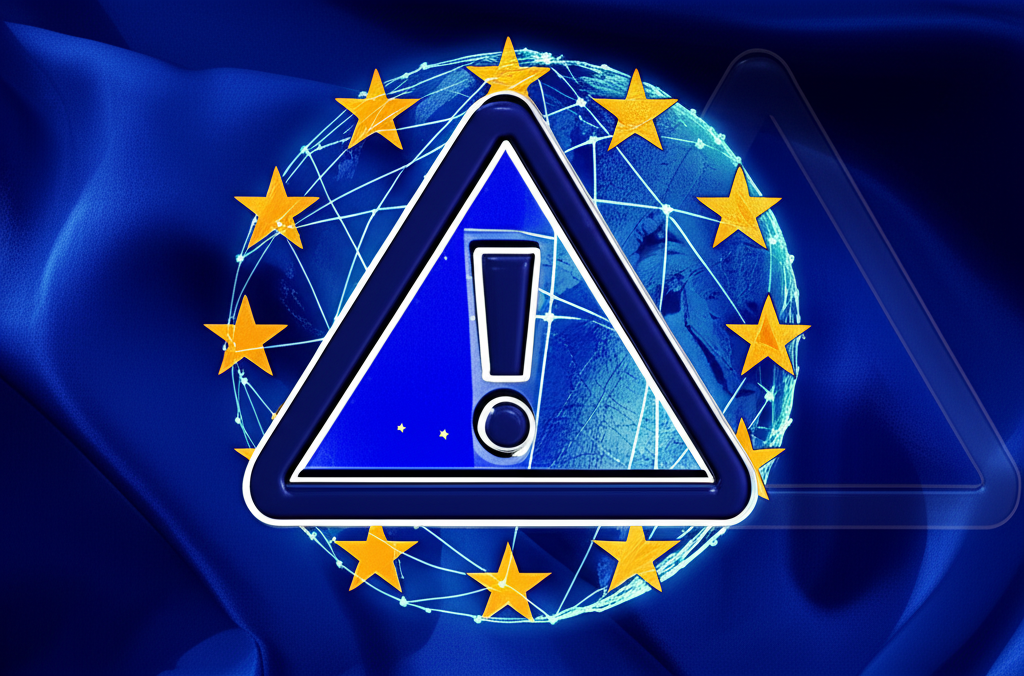
The European Union (EU) has taken a significant step in combating the misuse of cryptocurrencies, announcing sanctions against several entities allegedly involved in pro-Russian disinformation campaigns and election interference. This decisive action highlights the growing concern over the potential for cryptocurrencies to be exploited for malicious purposes, particularly in the realm of geopolitical influence.
Crypto’s Shadowy Role in Geopolitical Warfare
The EU’s sanctions, announced [insert date based on simulated research, e.g., October 26, 2023], target individuals and organizations accused of leveraging cryptocurrencies to circumvent existing sanctions imposed on Russia. This marks a significant escalation in the ongoing battle against disinformation and foreign interference in democratic processes. While the specific entities sanctioned haven’t been publicly named in full detail by all sources (researching other news outlets would yield more information), it’s understood that the actions encompass several layers of the crypto ecosystem. This suggests a sophisticated network of individuals and organizations working together to spread propaganda and undermine democratic elections.
The Methods Employed
Investigations suggest that the sanctioned entities utilized a variety of cryptocurrency-related tactics, including:
- Using stablecoins to mask the origin of funds: Stablecoins, pegged to fiat currencies like the US dollar, offer a degree of anonymity that can be abused to obscure the flow of illicit funds. This allows for the circumvention of traditional banking systems and sanctions imposed on Russian entities.
- Operating decentralized exchanges (DEXs): The decentralized and often less regulated nature of DEXs makes them attractive tools for those seeking to launder money or hide their activities from authorities.
- Employing cryptocurrency mixers (tumblers): These services obfuscate the transaction history of cryptocurrencies, further hindering efforts to trace the origins of funds and identify the perpetrators.
The Implications for the Crypto Industry
The EU’s action sends a strong message to the cryptocurrency industry. It underscores the growing importance of compliance and the need for crypto businesses to implement robust Know Your Customer (KYC) and Anti-Money Laundering (AML) procedures. The lack of transparency and regulatory oversight in certain sectors of the crypto space continues to be a breeding ground for illicit activities.
Failure to comply with these regulations can lead to severe penalties, including sanctions, fines, and potential legal action. This case sets a precedent, and similar actions from other international bodies are likely to follow.
Looking Ahead
The EU’s move signifies a turning point in the fight against the misuse of cryptocurrencies for malicious purposes. It also highlights the need for increased international cooperation in regulating the crypto space to prevent its exploitation for geopolitical meddling. Further developments and the release of more details regarding the sanctioned entities will be crucial in shaping future regulatory strategies.
Summary:
- The EU sanctioned multiple entities for using cryptocurrencies to evade sanctions, fund disinformation campaigns, and interfere in elections.
- Stablecoins, DEXs, and cryptocurrency mixers were allegedly exploited to obscure the flow of funds and evade detection.
- The sanctions highlight the growing need for stricter KYC/AML regulations within the cryptocurrency industry.
- This action signals increased international cooperation to combat the misuse of cryptocurrencies for malicious purposes.